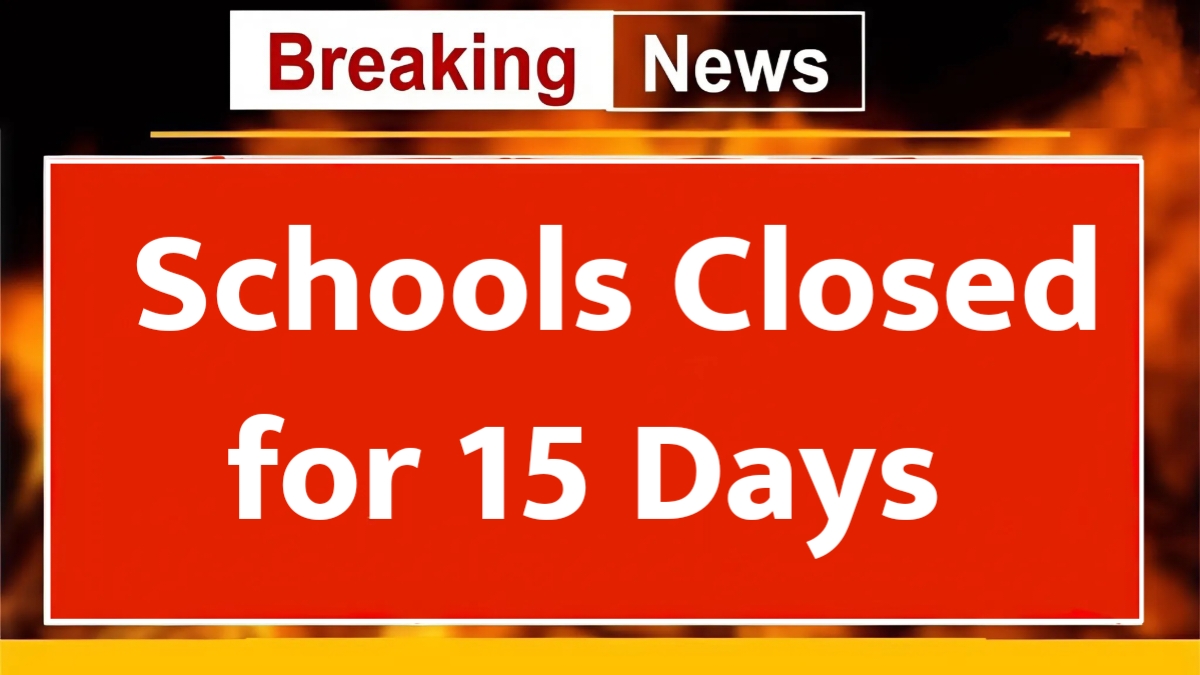
The announcement of schools closed for 15 days in January 2026 has brought a major shift in the academic routine for students, parents, and teachers across several regions. As the new year begins, education authorities have confirmed an extended public holiday period that keeps schools shut for nearly half a month. This decision applies to the early weeks of January 2026 and is linked to a mix of seasonal conditions, administrative planning, and student welfare priorities.
January is traditionally a transition month for schools, sitting between year-end holidays and the start of full academic activity. By extending the closure period, officials aim to create a smoother restart for institutions while addressing practical challenges like weather conditions, regional events, and administrative alignment. For families, this update matters because it affects daily schedules, childcare planning, and academic expectations at the start of the year. The move has sparked discussion nationwide, making clarity and official guidance especially important.
Reason Behind the January 2026 School Closure
The decision to keep schools closed for 15 days in January 2026 is based on multiple overlapping factors. Winter conditions in many regions often affect student attendance and safety, especially during early morning travel. Authorities believe that extending the break reduces health risks and ensures a safer environment for students once regular classes resume.
यह भी पढ़े:
 IRS Confirms $2,000 Direct Deposit for January, 2026 – New Payment Dates and Eligibility Guide
In addition, January includes several regional festivals and administrative transitions related to the academic calendar. By grouping these into a single extended break, education departments can minimize mid-term interruptions. Officials have emphasized that the move is preventive and planned, designed to improve efficiency rather than respond to any single issue.
Impact on Students and Parents
For students, the extended January break offers additional recovery time after year-end exams and academic pressure. Education experts note that adequate rest can improve concentration and mental well-being once classes restart. Schools are expected to resume teaching with refreshed schedules and a clearer academic roadmap for the rest of the term.
Parents, however, may face short-term challenges in managing childcare and daily routines during the extended closure. Working families are advised to plan ahead and stay informed through official school notices. Authorities have acknowledged these concerns and reiterated that the long-term academic structure will remain stable despite the temporary adjustment.

Government Stand on Academic Continuity
The government has firmly stated that the January 2026 school closure will not result in learning loss. Education departments have the flexibility to adjust instructional hours, reorganize lesson plans, or reschedule internal assessments if required. The focus remains on maintaining education quality while prioritizing student safety and well-being.
Officials have also highlighted that such calendar adjustments are not unusual and are often used to streamline the academic year. By planning the closure in advance, schools can prepare teaching strategies that compensate for lost classroom days without increasing pressure on students.
What to Expect After Schools Reopen
Once the 15-day holiday period ends, schools will reopen according to revised schedules issued by local authorities. Regular classes, assessments, and activities are expected to resume in a structured manner. Schools may share updated calendars to help parents and students adapt smoothly.

Education officials have advised families to stay connected with school administrations and official education department channels. Clear communication will be key to avoiding confusion about reopening dates, syllabus plans, and examination timelines as the academic year moves forward.
Disclaimer
This article is for informational purposes only and is based on publicly available updates and official statements at the time of writing. School closure dates, schedules, and academic plans may vary by region and institution. Readers are advised to confirm details through official school notices or education department announcements before making decisions.